You should have opened a high yield savings account (HYSA) yesterday. Here's why.
As of August '24, the average bank savings account offers 0.46% (FDIC) while USD inflation stands at 2.9%, slowly recovering from the recent 9.1% high in June '22 (YCharts). Even with these inflation levels and 2-year treasury bills paying 3.99% on an inverted yield curve (YCharts), many large banks are not passing these higher rates on to their common account holders.
The Big Bank Problem
"The truth is, Big Banks don't feel the need to compete."
Bank of America and Chase Bank offer just 0.01% yield on their consumer savings accounts with numerous stipulations on withdrawals, minimum deposits, and even fees. Many online banks, however, are offering upwards of 5% APY on a HYSA. So why is it that many big banks don't offer High Yield Savings Accounts?
Some argue that big bank operations are too expensive compared to online banks, which can provide services to customers without brick-and-mortar locations or expensive sponsorships like NFL stadiums. It is true the big banks have higher operating expenses and their physical branch networks are becoming less efficient than in previous decades. Through July '24, 539 branches across the US had closed (Daily Mail). And now through August '24, 277 branches have closed in the state of California alone - the most closures since 2020 (FrankNez) with the pandemic event.
Efficiency Ratio = Noninterest Expense ÷ Total Net Revenue
Long Term Debt Ratio = Long Term Debt ÷ Total Assets
In their 2023 annual report, Bank of America reported a 66.79% efficiency ratio and a long-term debt ratio of 9.50% (Bank Of America). Ally Bank, one of the most popular online banks, reported a 2023 efficiency ratio of 62.86% and a long-term debt ratio of 40.99% (Ally Bank) - a much riskier position than BOA. Based on this, we can say that the online banks spend less to make their revenue likely in relation to their operating in riskier environments.
However, these factors aren't the primary reason Chase and Bank of America don't offer competitive HYSAs. The truth is, big banks don't feel the need to compete.
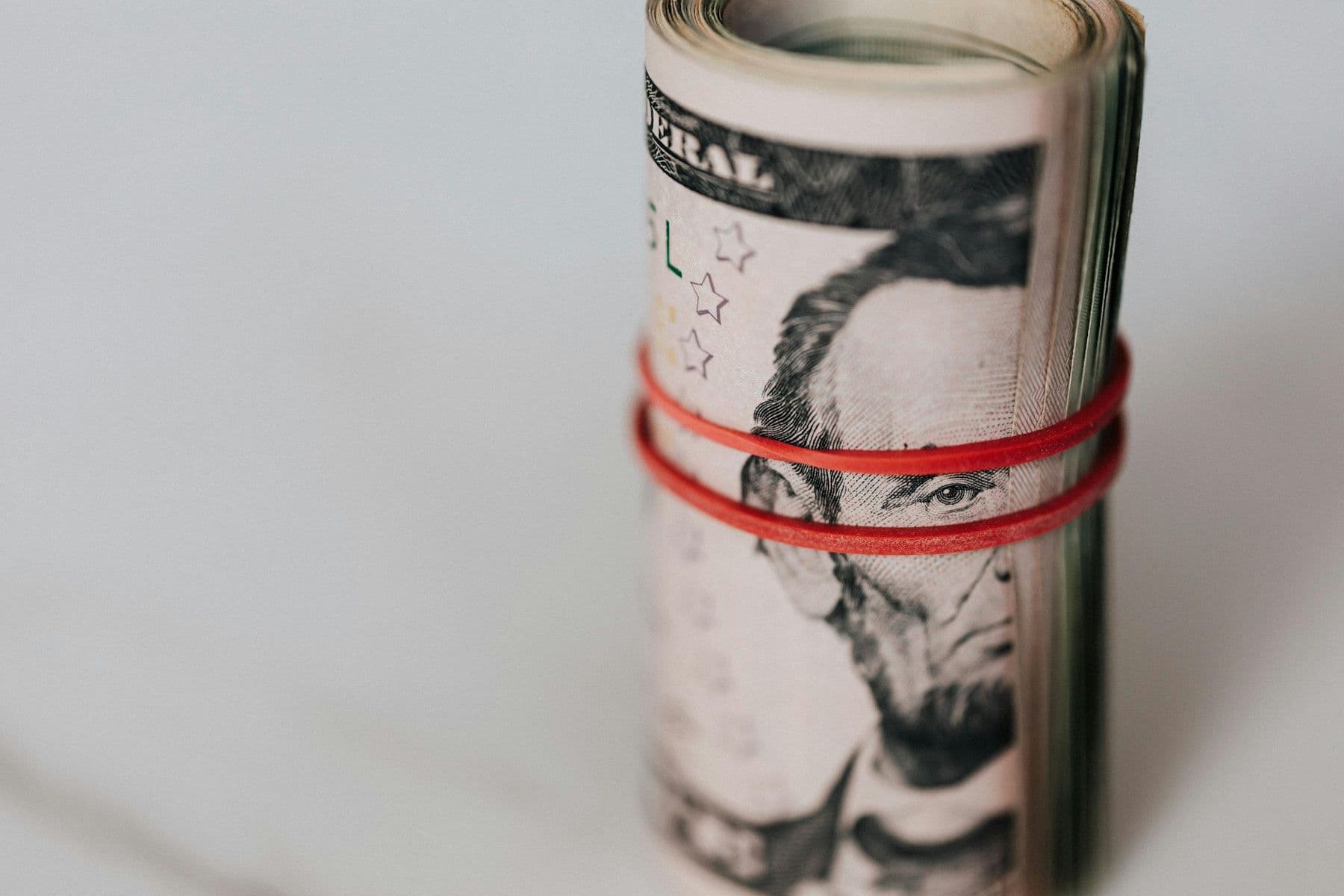
Lack of Competition
JPMorgan Chase, Bank of America, and Wells Fargo alone hold 41.8% of the US market share (FDIC Data via Wallet Hub). The larger banks have earned customer trust and built their enormous market shares through decades of consistency and convenient banking practices for both consumers and enterprises. Many of us hold accounts with the same banks our parents used and are unlikely to switch. A Frost Bank Survey found that 44% of participants responded to have no plans to change their bank (Frost Bank). But why?
"I think the biggest reason people don't change banks — and of course, I'm biased on this, but I believe it in my bones — they just don't know what some banks offer." -Phil Green, Frost Bank CEO
While online banks are competing for consumer deposits through lower fee structures, higher returns, and more convenient practices, many big banks are happy to stay still because their clients are unaware of their competition.
Take Action
At investant.net, we're urging you to take action by getting informed and opening a HYSA if you haven't already! Taking advantage of a HYSA to earn upwards of 5% returns on your savings and cash reserves is crucial in today's inflationary environment.
Some of our favorite options today in August '24 (who Haven and I use ourselves):
- Wealthfront | 5.0% Cash Account
- M1 Finance | 5.0% Savings Account
- SoFi Bank | 4.6% Savings Account
For more options, checkout BankRate to select and compare some other HYSA offerings! Whoever you choose, ensure they are FDIC insured and make the most of it!